How Long Do Lipstick Tattoos Last? Factors That Affect Longevity

Lipstick tattoos (also known as lip blush tattoos or cosmetic tattooing for lips) is a semi permanent way to add color to your lips that will last for months, even years unlike traditional makeup. However the longevity of lip tattoos depends on many factors from skin type to lifestyle choices. In this article we will go into what affects the lifespan of lip tattoos and the aftercare to follow to extend the look of your semi permanent makeup.
How long do lip tattoos last?
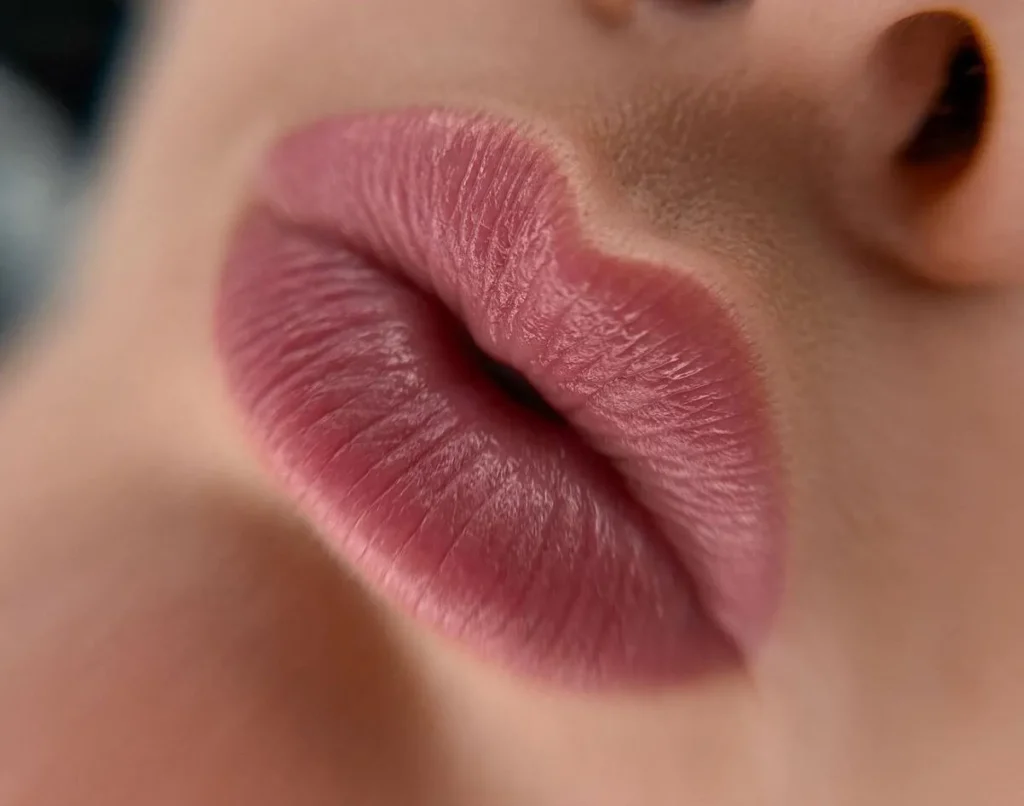
Lipstick tattoo can last anywhere from 1 to 3 years before you start to notice fading. With good aftercare and good habits some people can get up to 5 years. A lip blush tattoo is designed to fade over time so you can either top up the color with regular touch ups or let it fade away naturally.
The fading process can be affected by your individual skin type and how well you look after your lips after the procedure. Some people may need to get touch ups every 12 to 18 months to keep the colour intense, others may find their cosmetic lip tattooing stays vibrant without needing frequent touch ups.
What Affects Lipstick Tattoo Longevity
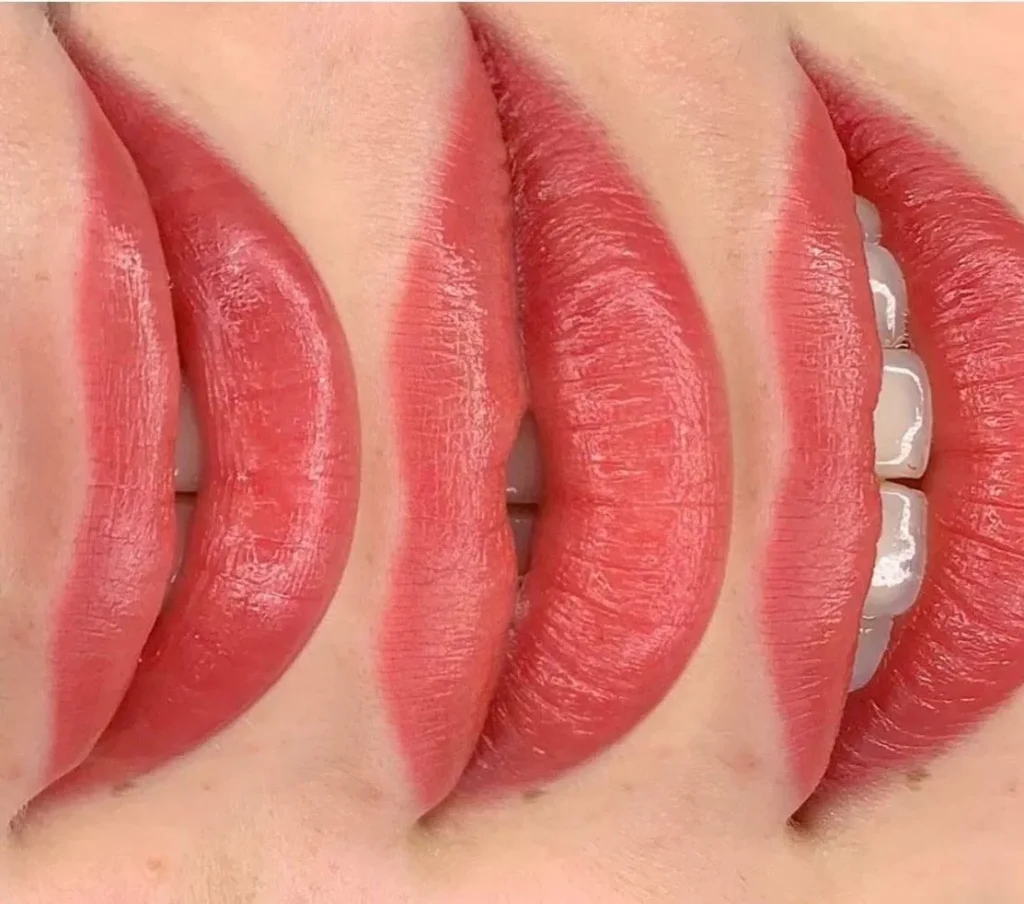
Many factors can affect how long your lipstick tattoo will last, from your lifestyle to your body’s natural skin regeneration rate. Below we will go into detail:
Skin Type
- Oily Skin: Oily skin types tend to fade faster as the natural oils break down the pigments over time. If you have oily skin you may find your semi permanent makeup doesn’t last as long and needs more frequent touch ups.
- Dry Skin and Normal Skin Types: For those with dry skin or normal skin the color will last longer. Dry skin can actually help retain pigment as it doesn’t produce as much oil that can interfere with the pigment’s longevity.
Daily Routines and Lifestyle Factors
- Sun Exposure: Excessive sun exposure is the number one cause of premature fading for all types of cosmetic tattoos. Ultraviolet (UV) rays will break down tattoo pigments over time and cause color loss and lightening. For prolonged sun exposure use a lip balm with SPF to protect the tattoo.
- Diet and Habits: Habits like smoking and drinking can shorten the lifespan of lip tattoos. Smoking can affect skin health and alcohol dehydrates the skin and affects pigment retention.
- Frequent Water or Chemical Exposure: Activities like swimming in chlorinated water or using chemical peels on your face can speed up fading. Chlorine and certain chemicals in skincare products like retinol or AHAs can react with tattoo pigments and cause faster fading.
Tattooing Process and Pigment Quality
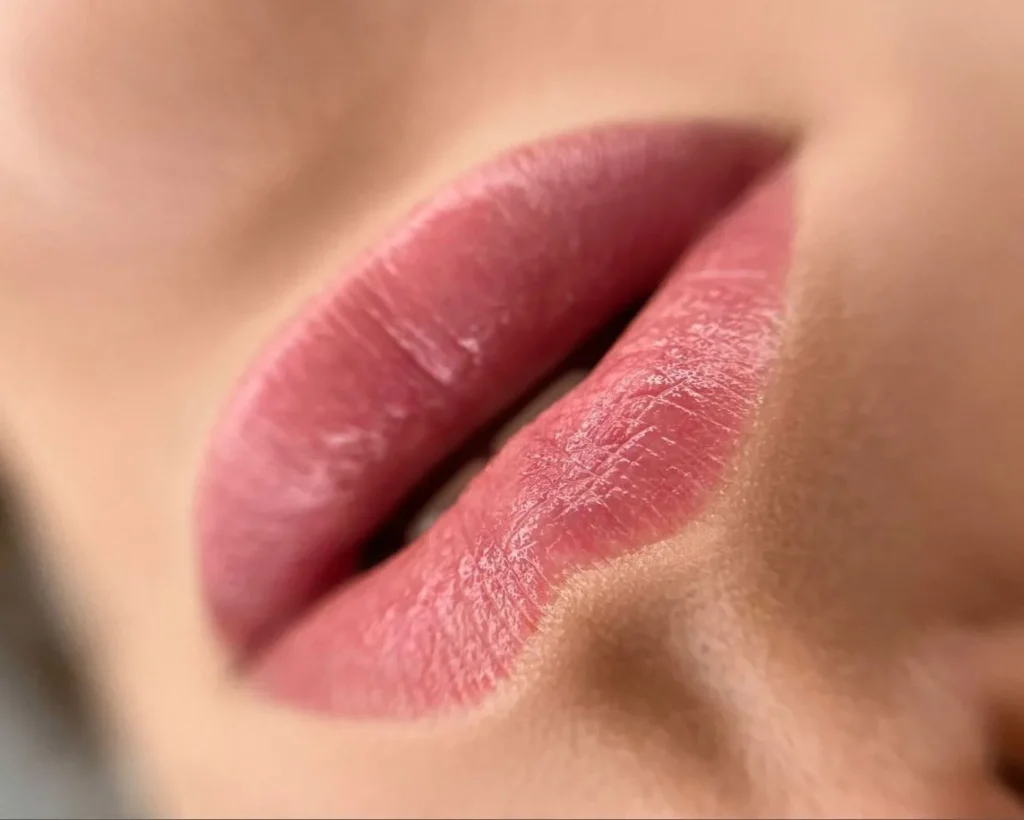
- Tattoo Artist Technique: The technique and tools used by the tattoo artist affects how the pigment settles in your lips. A more subtle lip blush tattooing technique will fade faster than a more solid lip color.
- High Quality Pigments: High quality pigments are key to long lasting results. Reputable artists use high quality inks that are formulated to hold colour better and fade evenly over time. When choosing an artist look for one who emphasizes high quality pigments for the best results.
Aftercare and Care
- Immediate Aftercare: After the lip tattoo procedure follow the aftercare instructions provided by your artist. This means no spicy food, hot drinks and no sun exposure during the healing period. This will prevent premature fading and infection.
- Long Term Care: Even after the initial healing process keep your lips moisturized and protected. Apply lip balm with SPF regularly especially when your out in the sun to maintain the color.
Healing and Skin Regeneration
- Healing Period: The healing period affects how the pigment settles into your lips. If you follow aftercare instructions you will get optimal healing and better pigment retention. Don’t exfoliate or rub your lips and avoid acidic or spicy food during the initial healing period.
- Age and Skin Regeneration: As we age the skin regenerates slower, so older clients will get longer lasting results from the semi permanent cosmetic procedure. Younger clients with faster cell turnover will fade quicker.
Common Misconceptions about Lipstick Tattoos

1. “Lipstick Tattoos are Permanent.”
They’re often marketed as permanent but lip tattoos are semi permanent. Unlike traditional tattoos cosmetic tattoos are designed to fade over time so you can adjust the color as your style changes.
2. “Touch ups aren’t necessary.”
Even with high quality pigments and a good artist lip tattoos will fade. Touch ups are recommended to maintain the look especially if you want the color to stay vibrant over the years.
3. “Oily Skin won’t affect Lip Tattoos.”
Oily skin will make the pigment break down faster. So clients with oilier skin will fade faster than those with dry or normal skin types.
Tips to make your Lip Tattoo last longer
To get the most out of your lips tattoo lipstick procedure follow aftercare and make a few changes to your daily routine:
- Sun Protection: Apply fragrance free lip balm with SPF to your tattoo.
- Moisturize: Moist skin retains pigment better. Apply lip balm or aftercare product.
- Don’t use Chemical Exfoliants on or near the Lips: Retinol, glycolic acid and salicylic acid are great for skin but can break down tattoo pigments. Keep these products away from your lips.
- Limit Chlorine Exposure: Frequent swimming in chlorinated water can fade your tattoo faster. Apply a barrier cream or avoid chlorinated pools for a few weeks after your procedure.
- Watch what you Eat: Spicy and acidic foods like citrus can irritate the skin especially during healing. Avoid these foods for a few weeks and opt for milder options instead.
Conclusion
A lipstick tattoo is a great investment if you want to simplify your daily beauty routine. By choosing the right artist and following aftercare tips for your lipstick tattoo you can get long lasting lip color that enhances your natural beauty and stays vibrant for years. Remember skin type, lifestyle and tattoo pigments all play a role in how long your cosmetic tattoo will last.With proper maintenance your lip tattoo can be a convenient part of your beauty routine. If you’re thinking of getting this semi permanent makeup, consult with a trusted cosmetic tattoo artist to find out what will work best for you.
FAQ
How often will I need to get touched up?
Most people get touched up every 12-18 months but clients with oily skin may need to get touched up more often.
Does oily skin affect the longevity of lipstick tattoos?
Yes, oily skin causes faster fading since natural oils can break down the pigments and require more frequent touch ups for lasting results.
Can I wear regular lipstick on top of my lipstick tattoo?
Yes! You can wear regular lipstick or gloss on top of a lip blush tattoo.
What should I avoid during the healing process?
During healing avoid sun exposure, spicy foods, acidic foods and chemical peels near the lip area. These will help with optimal healing and color retention.
Will my tattoo color change as it fades?
With good quality pigments the color should soften but stay close to the original color. Over time the colors may lighten and will need to be refreshed to stay vibrant.

Related Posts

What to Wear on a Wine Tour in the Hunter Valley?

Is It Better to Visit Rainbow Mountain in the Morning or the Afternoon?