Exploring Kakadu’s Ancient Rock Art
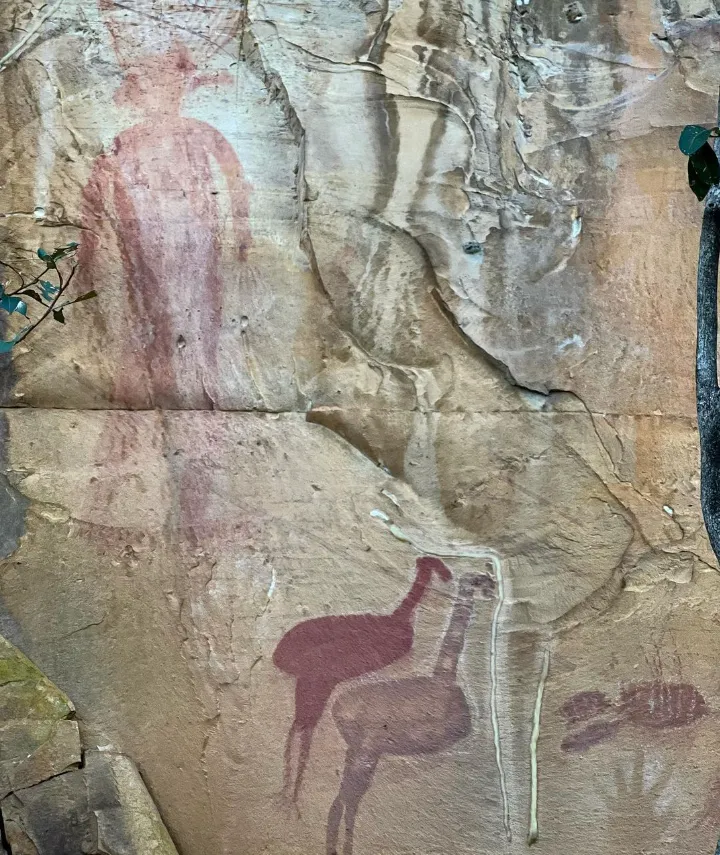
Kakadu National Park is a UNESCO World Heritage Site in Arnhem Land where nature and culture meet. 19,000 square kilometers of wonder, not just for its ecosystems but for its Aboriginal culture. For example the Aboriginal rock art at Nourlangie Rock and Ubirr Rock gives us a glimpse into daily life, spirituality and creation stories of the traditional owners.
Kakadu National Park
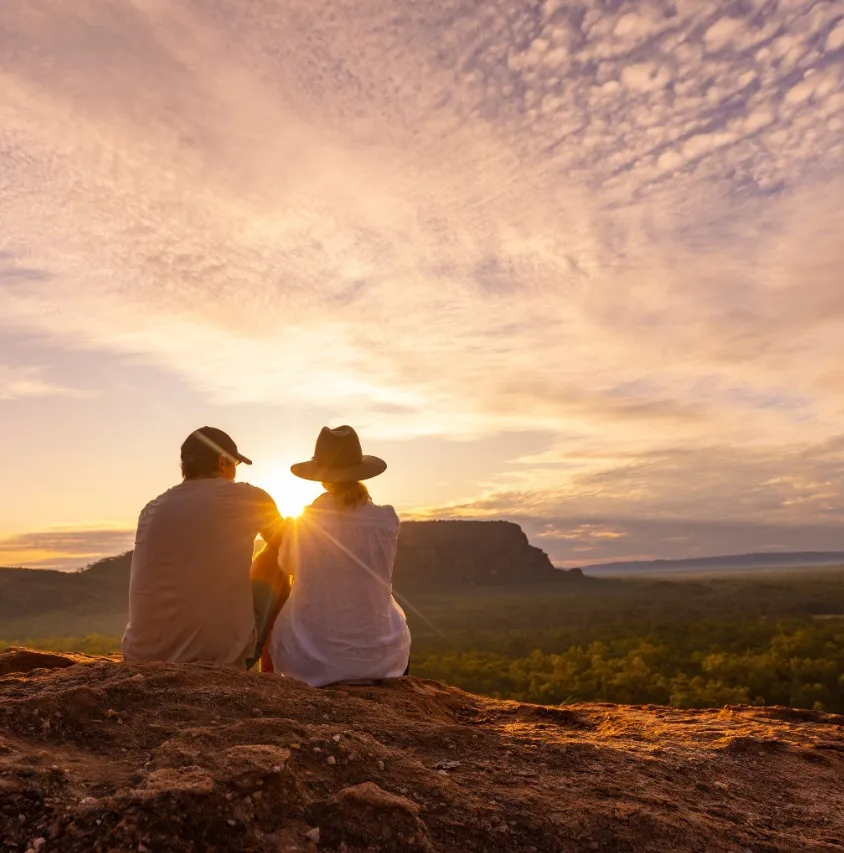
A piece of Australia’s natural and cultural fabric – that’s what Kakadu National Park is: a gem of the world as declared by UNESCO for its natural values and cultural importance. The park has wetlands like Yellow Water Billabong to ancient escarpments and rock shelters. Such a range of habitats supports a diverse range of plants and animals, including iconic species like kangaroos, jabirus and black-necked storks. And ancient rocks and escarpments that tell the story of millions of years ago.
The Traditional Owners of Kakadu
Arnhem land has been home to mining/muggy for thousands of years. The traditional owners of Kakadu National Park. This connection to the land can be seen in the vibrant ochre paintings on the walls of Kakadu’s rock shelters. These paintings aren’t just a reflection of reality; they are the creation of ancestors’ stories, spiritual beings and the sacredness of this land, which is part of their culture that still lives today along with their traditional knowledge systems being maintained.
What Rock Art Can You See?
Kakadu gives visitors a glimpse into the Aboriginal peoples’ spiritual beliefs and daily life through several rock art sites scattered throughout the landscape. There are many types, from X-ray paintings to elaborate engravings on rocks over thousands of years with different themes. Each site is unique, with artwork of all kinds – from Rainbow Serpents to ancestral figures or just people and their daily or ceremonial lives.
Nourlangie Rock Art
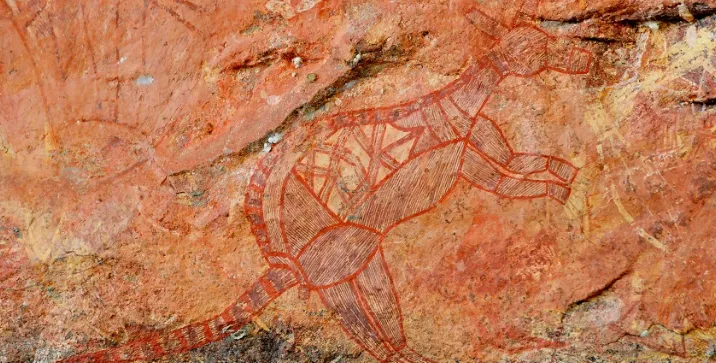
Nourlangie Rock, also known as Burrungkuy in the local Indigenous language, is a rock art site within Kakadu National Park. This is the most famous rock art site in Kakadu and has the most extensive and varied range of ancient rock art in the region.
A closer look at the art
Nourlangie Rock has ochre pigmentation, a natural pigment used in Indigenous Australian art for generations. The paintings at Nourlangie depict land mammals like kangaroos and wallabies, mythical creatures, and creation stories. These aren’t just random depictions. There’s cultural and spiritual meaning behind them.
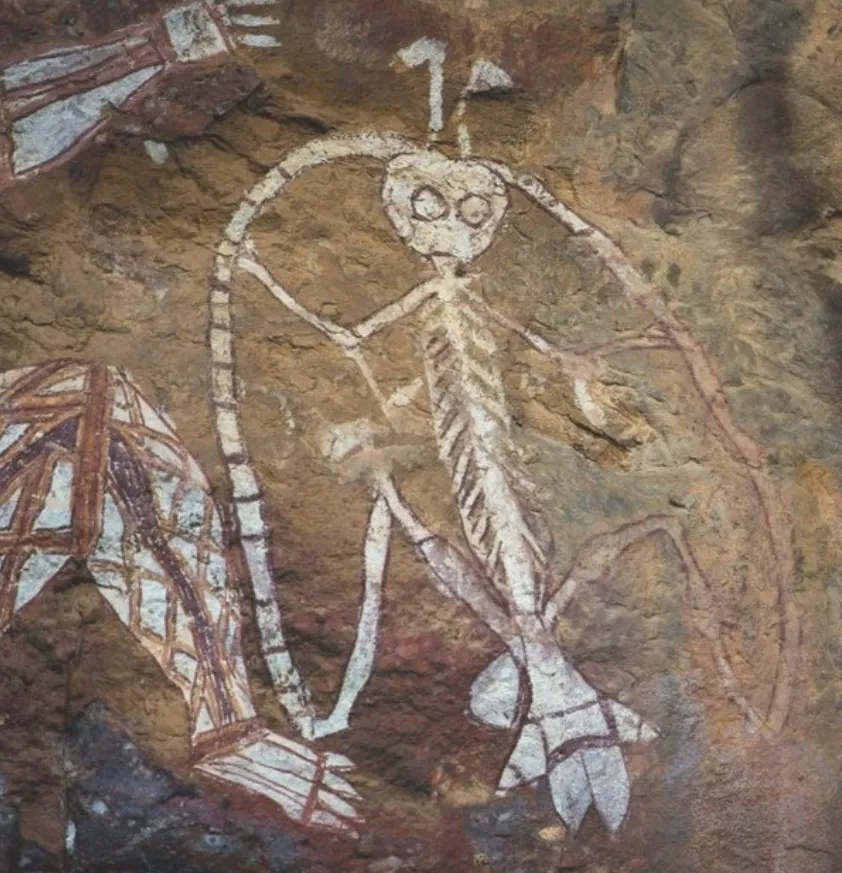
The Wandjina and Mimi are the stars of Nourlangie Rock’s art. The wandjina are the ancestors who made the world and brought life, and the Mimi are tall, skinny creatures with narrower bodies, including elongated arms, chest legs and ears that stick out from their heads. These dynamic and colourful depictions of these figures represent complex Indigenous belief systems and storytelling traditions.
Cultural And Spiritual Significance
Nourlangie Rock Art is more than just an archaeological treasure; it’s a living cultural heritage with deep spiritual meaning to the people of Kakadu. The drawing above shows how it links the land and its traditional owners forever. Many of them are part of ceremonies and are part of the indigenous landscape.
The pictographs here also serve as teaching tools by providing a window into traditional ecological knowledge and spiritual worldview of Aboriginal People. These paintings allow you to see how indigenous communities have been interacting with sacred places for thousands of years.
Ubirr Rock Art

This place has many artworks and stunning views over the floodplains as part of its package. You can explore the artistic legacy of Aboriginal Australia while still living in harmony with the land.
Art And Symbolism At Ubirr
Ubirr’s rock art is famous for its intricate petroglyphs and x-ray-style artwork. X-ray style refers to images of the inner organs of creatures like fish or kangaroo so you can see the natural world in a way that’s not possible anywhere else on Earth. Most importantly, these artworks show the deep knowledge Bininj/Mungguy have of their land through symbolism.
Some of the artworks include pictures of the Rainbow Serpent, a powerful being in aborigine mythology and other ancestors who made the world. The Rainbow Serpent is a creator being and is often associated with water, rain and fertility. By depicting these ancestral beings at Ubirr we are exploring the spiritual and cultural narratives of Indigenous Australians.
The Context
Ubirr Rock Art is not just a cultural heritage site but part of the local Indigenous traditions and practices. There are personal connections between the artworks here and the spiritual beliefs and historical experiences of the Bininj/Mungguy people. This place reminds us that there is a deep connection between indigenous people and their land.
Visitors to Ubirr get more than just a visual experience; they get a deeper understanding of the cultural and spiritual dimension of rock art. You’ll see this by looking out over the floodplains and wetlands that surround this place and add to what’s already in the artworks – the natural beauty of the world alongside culture.
Namarrkkanj Sisters
One of the most fascinating stories told in the rock art of Kakadu is the Namarrkkanj Sisters. In vibrant ochre paintings, this creation story tells how two sisters shaped the land and culture of this country. This is at the heart of Aboriginal culture and covers family, conflict and the natural world.
Paintings Over Paintings
Kakadu’s rock art often shows “paintings over paintings”, where newer paintings are superimposed over older ones. This practice shows how dynamic and changing Aboriginal art can be and is a chronological record of cultural and spiritual changes over time. With every layer of paint, history gets deeper, and the connection between people and country grows.
Creation Stories in Rock Art
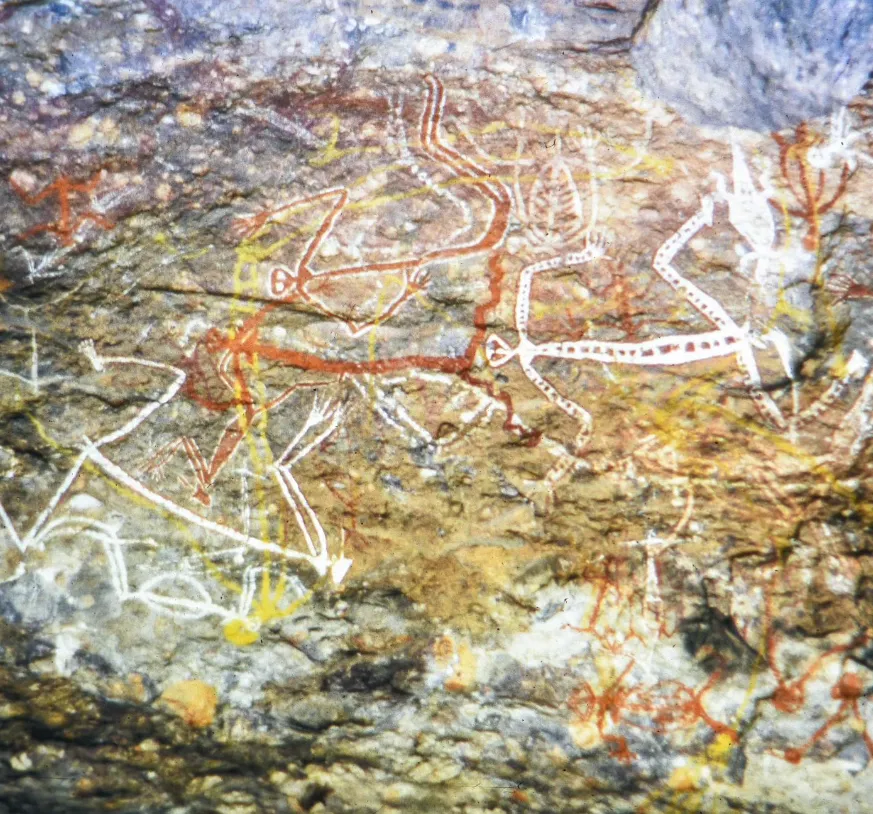
These creation stories in Kakadu’s rock art are not just pictures but are deeply embedded in the cultural and spiritual values of the Aboriginal people. They tell the story of the creation of land, animals and people; and are still used in many Aboriginal ceremonies and traditions. Through the rock art these stories have been passed down for centuries and across generations.
Rock Art Protection
To conserve the cultural heritage and history associated with it, protecting Kakadu’s rock art is critical. National park managers work with Indigenous custodians to preserve ancient canvases from chemical weathering, climate change vandalism and other environmental threats that might damage them. So we need to keep an eye on these sacred sites so they are not harmed for future generations.
See Rock Art on a Kakadu Tour
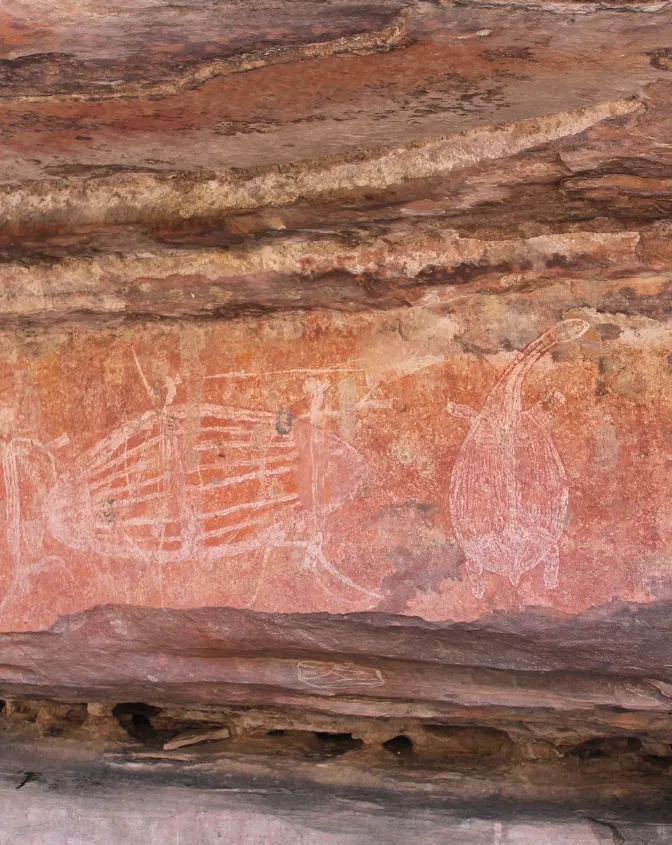
Want to see ancient Kakadu rock art up close and personal? Join a guided tour through it. For example there is a 3 day cultural rock art tour where you can be part of the experience and visit multiple rock art sites and learn about the cultural and historical background of each. You will gain a lot of knowledge on the art and socio-cultural practices of the Aboriginals and it will be a great experience.
Visiting Kakadu National Park
To make the most of your visit to Kakadu National Park, consider when to go so you can enjoy the best of nature and culture. The wet season, from November to April, is lush and vibrant, and the dry season, from May to October, has clear blue skies and easier access to some of the park’s best sites. At Cooinda Lodge, for example, you can stay comfortably while you explore Kakadu, and activities like the Yellow Water Cruise will give you a glimpse into the wildlife and scenery of the park.
Conclusion
Kakadu National Park is full of ancient rock art, which connects to Arnhem Land’s Aboriginal cultural and spiritual heritage. From vibrant ochre paintings at Nourlangie Rock to intricate scratches at Ubirr Rock; these are windows into creation stories, daily life and cultural values of Indigenous people. You can explore these sacred sites on guided tours Kakadu or simply appreciate them for their natural beauty, but either way, it’s an unforgettable experience that will leave you in awe of Australia’s culture/nature.
FAQ
When is the best time to see rock art in Kakadu National Park?
The dry season (May-October) is the best time to visit Kakadu National Park to see rock art. This is when the weather is more predictable, and some sites are less hard to get to.
Are the rock art sites in Kakadu National Park protected?
Yes, they are protected by national park managers and Indigenous custodians of the area, so they don’t get damaged or vandalised.
Can I do a guided tour to see the rock art in Kakadu?
Guided Darwin Kakadu tours offer a chance to learn about the cultural and historical significance of the rock art often focusing on multiples such as 3 days like 3 day cultural rock art tour which covers Aboriginal culture and artistic achievement in depth.
How can I learn more about Aboriginal culture in Kakadu?
To learn more about Kakadu’s Aboriginal culture you can visit cultural sites, do guided tours and use educational resources provided by local Indigenous communities and national park managers.
Before you visit Kakadu National Park?
When you plan to visit, know what season suits your schedule, follow the access guidelines at the park gate or office, be aware of the cultural significance of the places and pack right for the terrain when staying at Cooinda Lodge or other accommodations.

Related Posts
What to Wear on a Wine Tour in the Hunter Valley?
Is It Better to Visit Rainbow Mountain in the Morning or the Afternoon?