Hiking Trails and Nature Walks on the Great Ocean Road
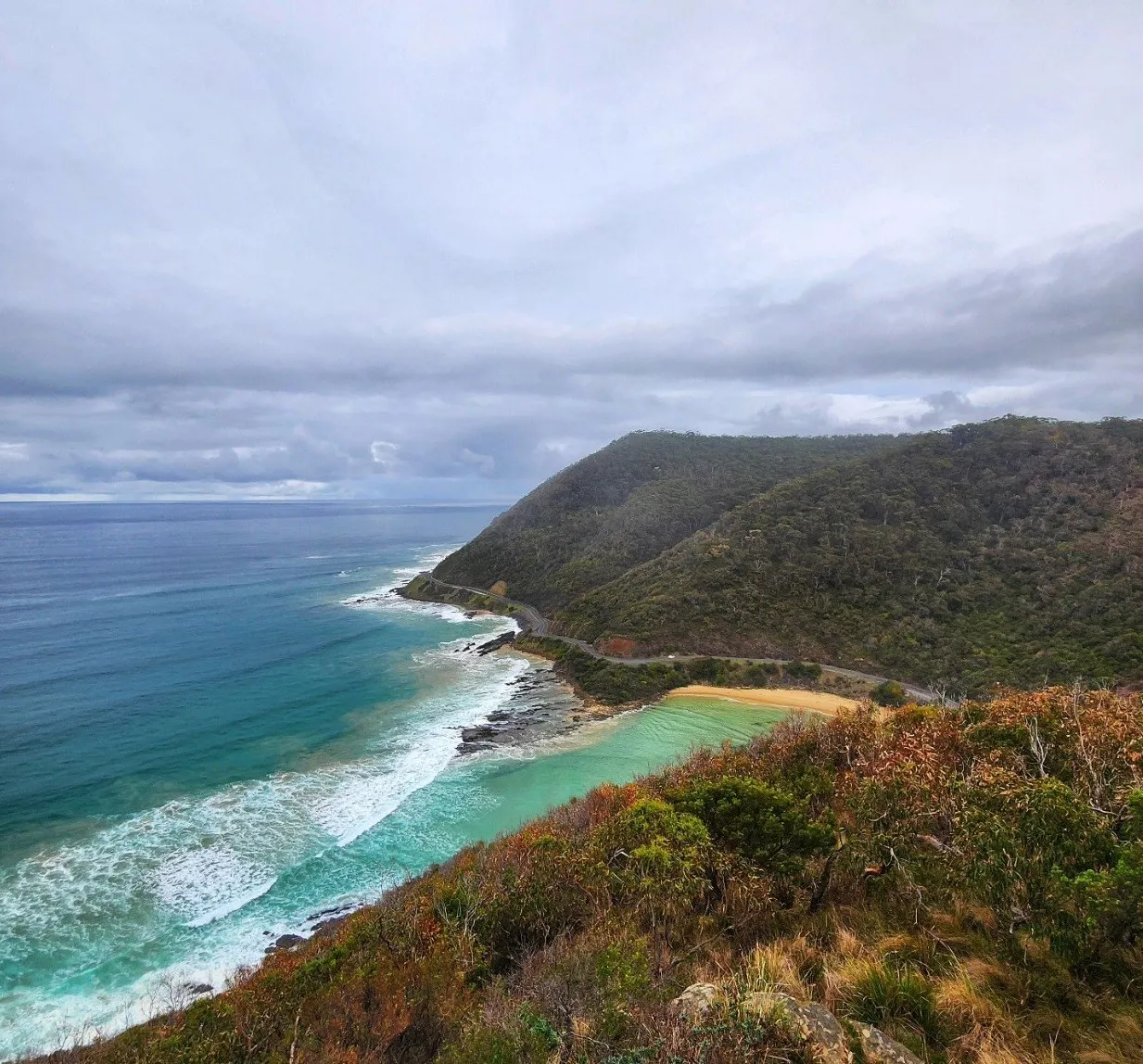
Tucked away in southeastern Australia, the Great Ocean Road is more than just stunning ocean views and famous landmarks. For the adventurous and nature lovers, it’s a treasure trove of rugged coast, dense forests and quiet walks. Whether you’re an experienced hiker or a confident walker, the coastal walks along this historic road are an experience with nature you’ll never forget. Here, we look at some of the best nature walks along the Great Ocean Road, each giving you a taste of Victoria’s natural beauty.
Getting into it
Each walk along the Great Ocean Road has its piece of Victoria’s natural heritage. Whether it’s the historic lighthouse walk at Cape Otway, the ancient rainforest of Maits Rest or the stunning views from Teddy’s Lookout, there’s something here to get the nature lover in you going.
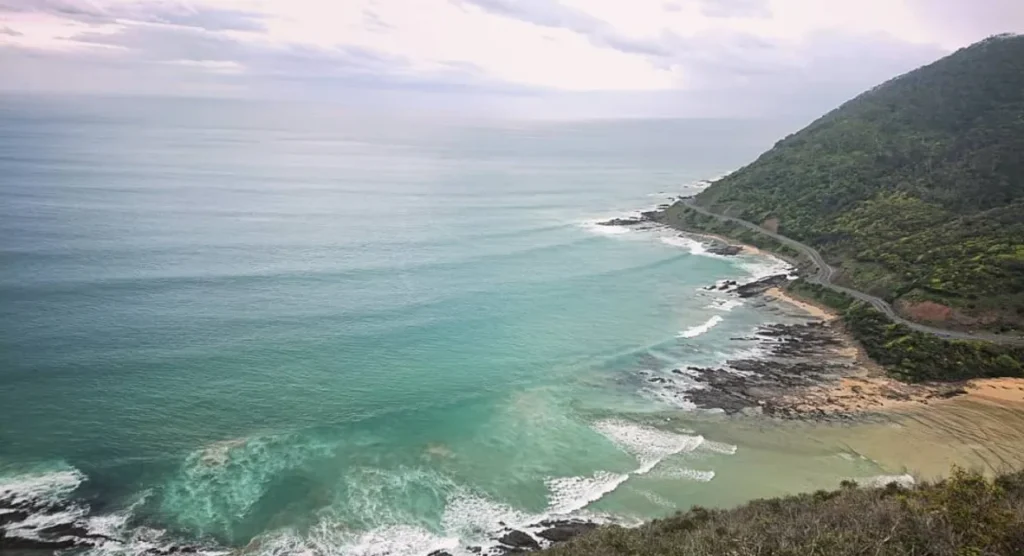
Remember to respect the environment, stay on the path, and be prepared with the right gear and supplies. Most importantly, take your time and soak up this fantastic coastal journey’s sights, sounds and smells. The Great Ocean Road is not just a road – it’s an experience that improves with every step.
From Apollo Bay to the Twelve Apostles
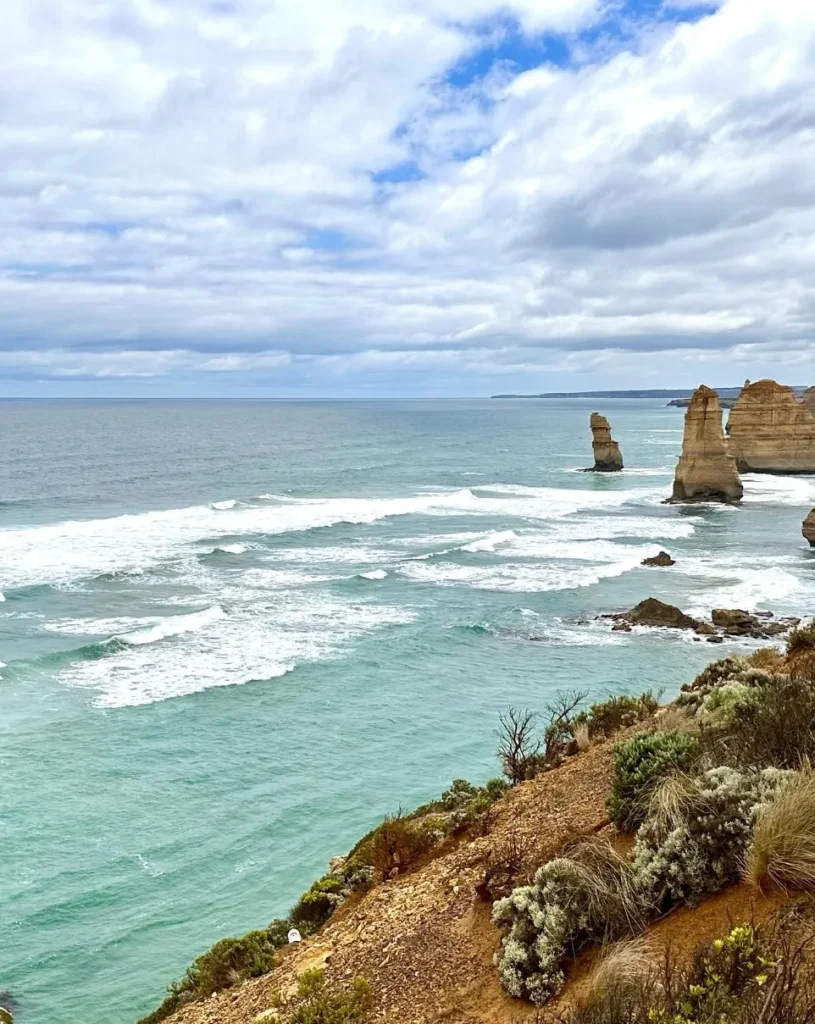
The Great Ocean Walk is 100 km long and starts in the quaint coastal town of Apollo Bay and finishes near the Twelve Apostles. This walk is a solitary experience away from the crowds. As you walk, you’ll encounter a variety of ecosystems, such as coastal scrub and sandy beaches, towering cliffs, and rainforests. Campsites along the way are spots to rest and take in the ocean views.
Teddy’s Lookout Walk
Near Lorne, Teddy’s Lookout has stunning views of the Saint George River and the rainforest below. The walk to the lookout is short but steep, so it’s a quick hit. The views at Teddy’s Lookout are perfect for photographers and nature lovers to capture the Great Ocean Road’s beauty.
Maits Rest Rainforest Walk
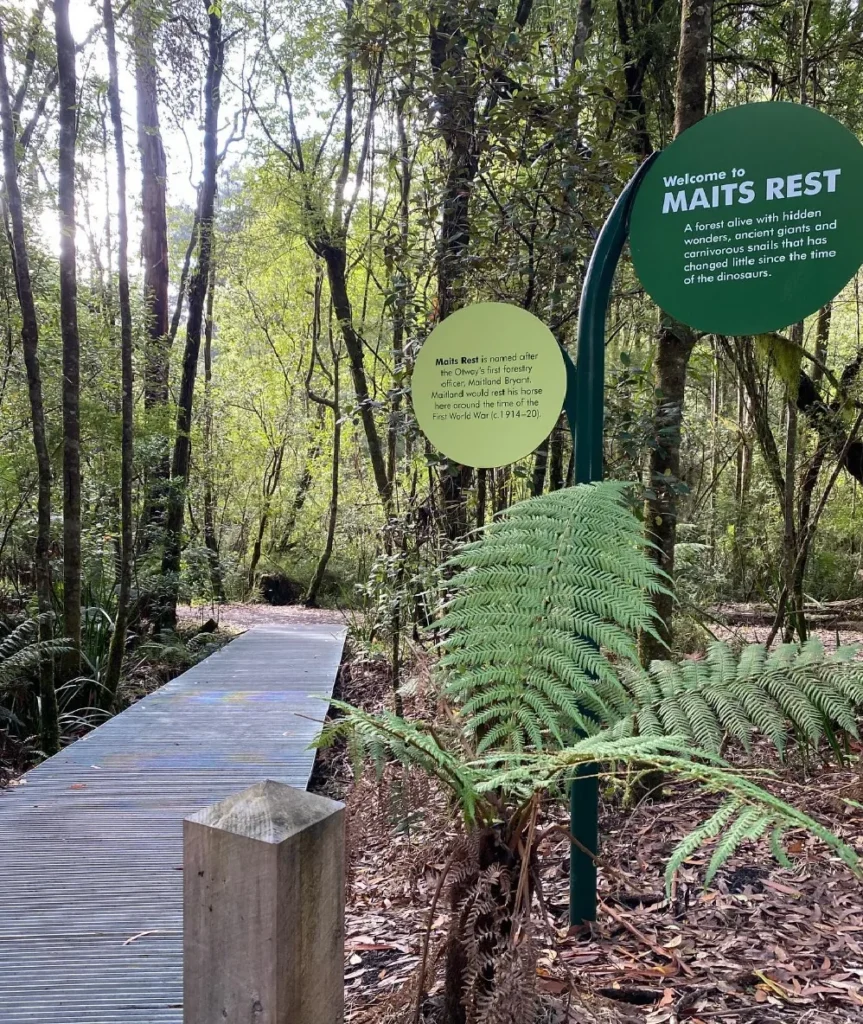
Maits Rest is a must-do for driving along the Great Ocean Road. This short, circular walk wanders through a stunning rainforest with ancient tree ferns and some of the tallest eucalypt trees in Victoria. The boardwalk protects the undergrowth and is suitable for all ages and fitness levels. The coastal forest comes alive at dusk with native wildlife and its magic.
Cape Otway Lightstation Walk
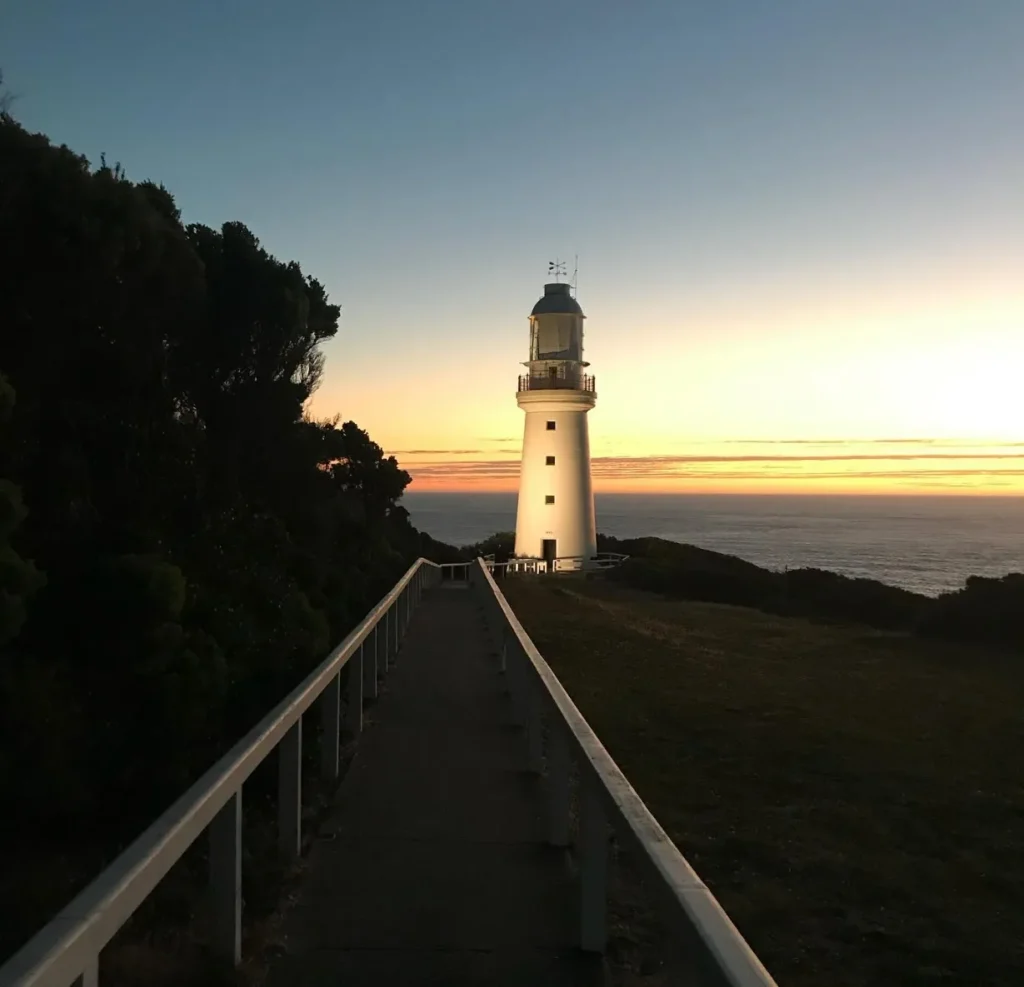
Walking to the Cape Otway Lightstation, the oldest lighthouse in mainland Australia, is more than just historical. The walk to it takes you through multiple habitats – rare rainforest types and open heathland. You’ll often see koalas hanging off the eucalyptus trees, making this walk a favourite for wildlife spotters. The views from the lighthouse are stunning of the Southern Ocean and often with a cold breeze that tells stories of shipwrecks past.
The Surf Coast Walk
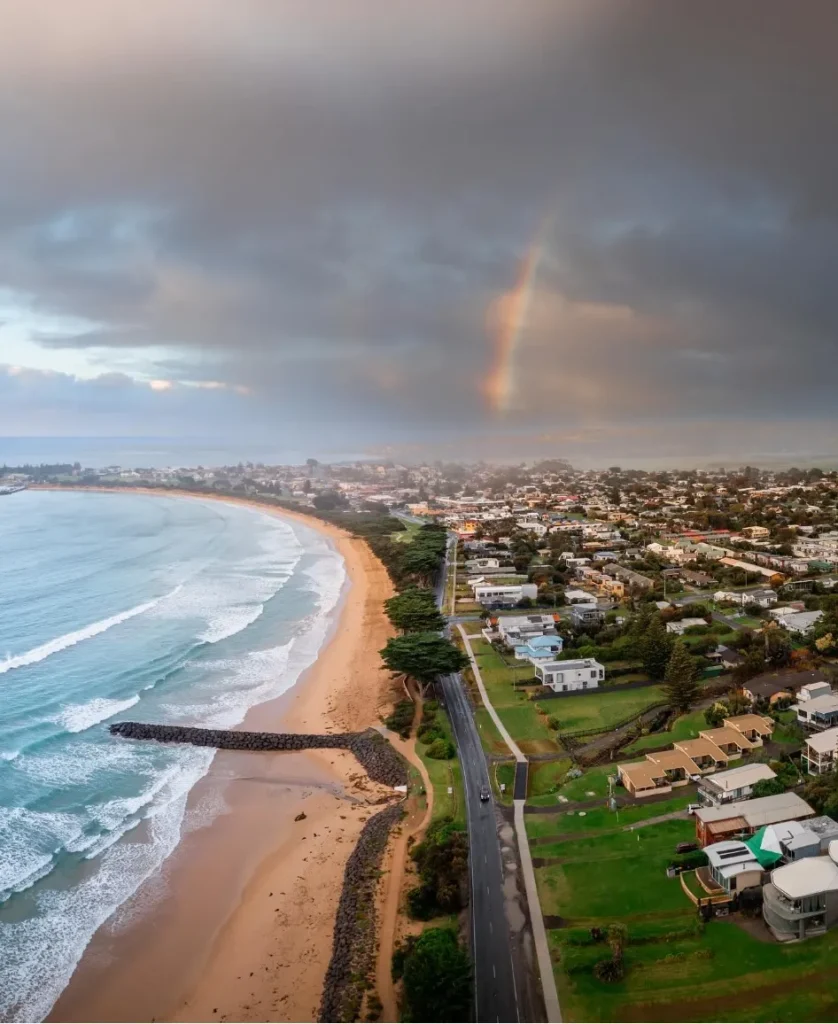
The Surf Coast Walk goes from Torquay to Fairhaven and showcases the coastal lifestyle of Victoria’s surfing capital. This 44km trail is divided into sections with different landscapes and experiences. You can walk on cliff-top trails, surf beach views, and visit historical sites. The trail is well-marked and suitable for all fitness levels, so it is perfect for day trips with family or friends.
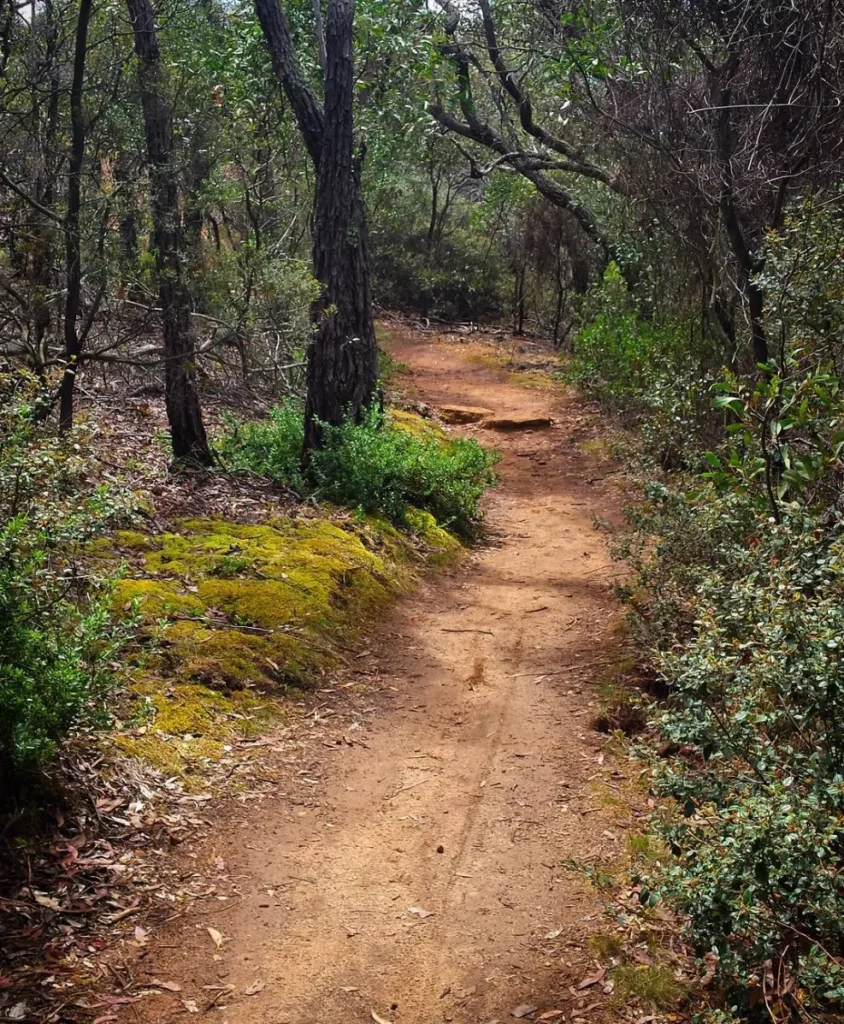
Erskine Falls and the Canyon
Just a short drive from Lorne is the impressive Erskine Falls, 30m into a fern gully. The walk to the falls is short but steep and takes adventurers to one of the Great Ocean Road’s most beautiful waterfalls. For the more adventurous, there’s a longer walk to Straw Falls and Splitter Falls, where you can see the rugged terrain and raw beauty of the Otways.
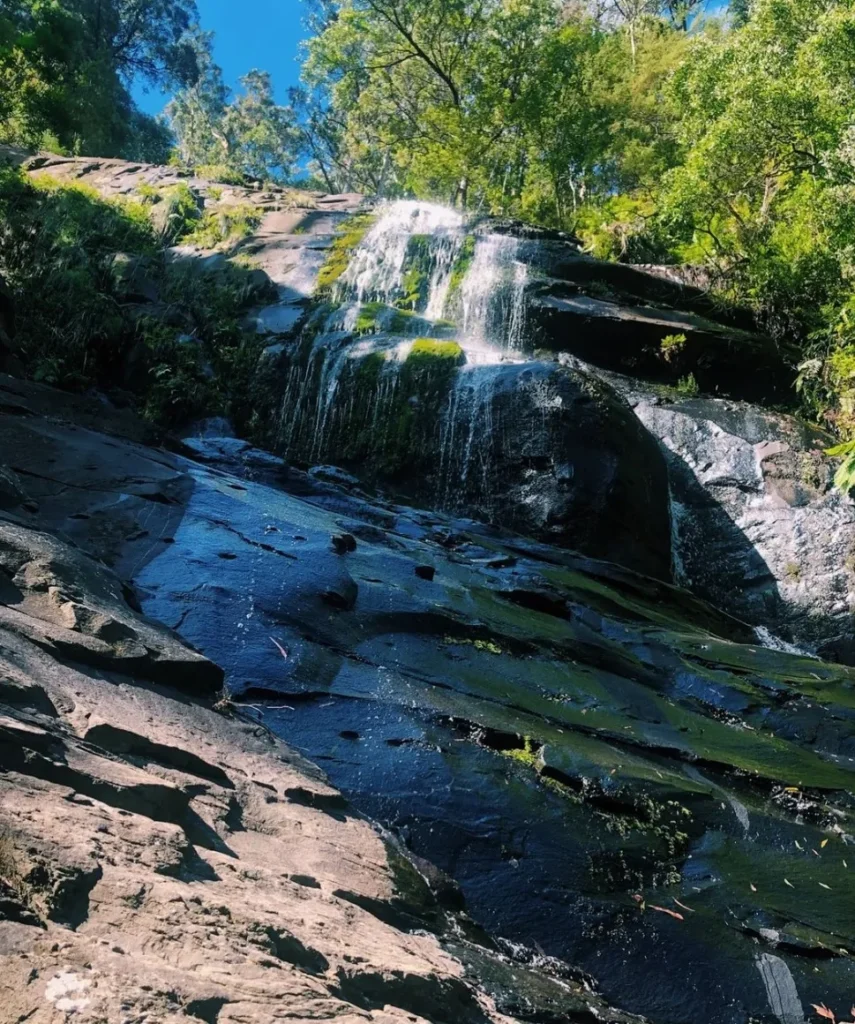
Ironbark Basin Walk
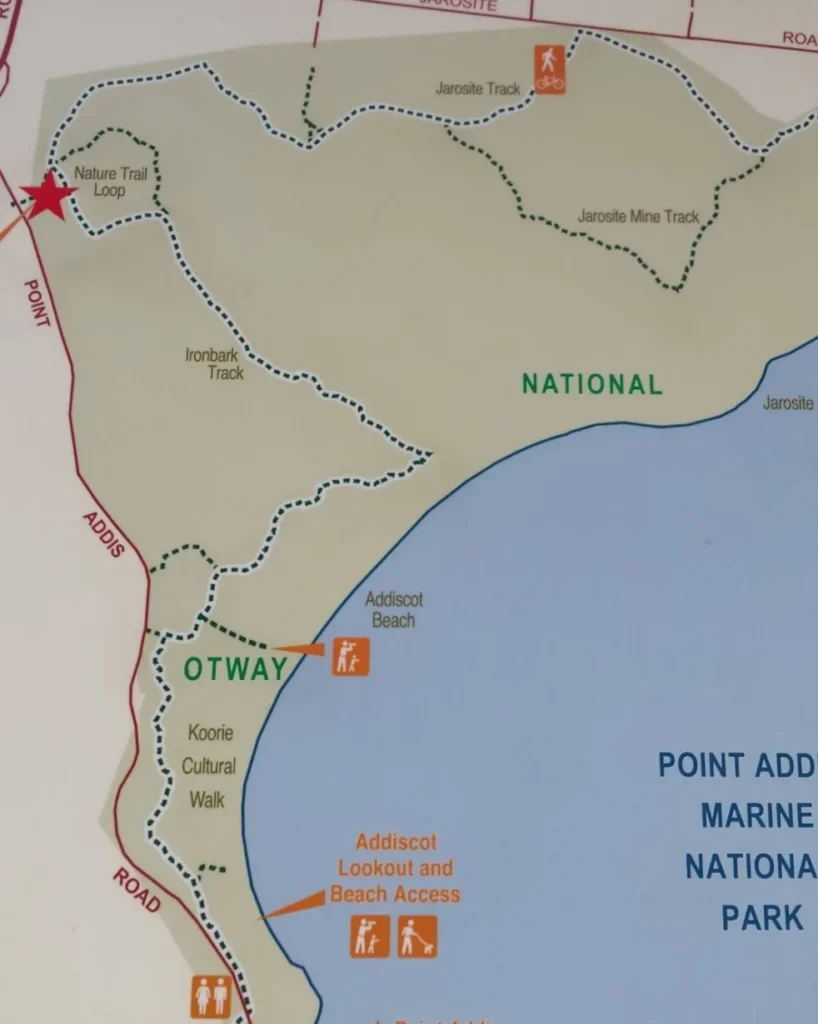
In spring, the Ironbark Basin near Anglesea becomes a wildflower wonderland. This area is part of the more prominent Anglesea Heath and is known for its biodiversity, especially the flowering plants that burst into colour. The trails here vary in difficulty, so there’s something for everyone, from casual walks to challenging hikes.
FAQ
When is the best time to hike the Great Ocean Road?
Spring (September to November) and autumn (March to May) are the best times to hike the Great Ocean Road. The coastal weather is generally mild, and the natural scenery is at its best, with wildflowers in spring and autumn.
Do I need a permit to hike these trails?
Most trails along the Great Ocean Road don’t require a permit to hike. However, if you plan to camp overnight on the Great Ocean Walk or in any national parks, you must book a campsite in advance, which may require a permit or a fee.
Are there guided tours for these hikes?
Yes, several guided Great Ocean road tour from Melbourne options are available to suit different fitness levels and interests. Guided tours can provide more information on the local flora, fauna, and history and add to your hiking experience.
What to bring?
Be prepared for a hike. Bring water, snacks, clothing for changing coastal weather, a first aid kit, a map and sunscreen. Consider bringing extra food, a hat and a portable charger for longer hikes.
How hard are the trails?
The trails vary. Some, like the Maits Rest Rainforest Walk, are short and suitable for all ages and fitness levels. Like parts of the Great Ocean Walk, others are more challenging for experienced hikers.

Related Posts

What to Wear on a Wine Tour in the Hunter Valley?
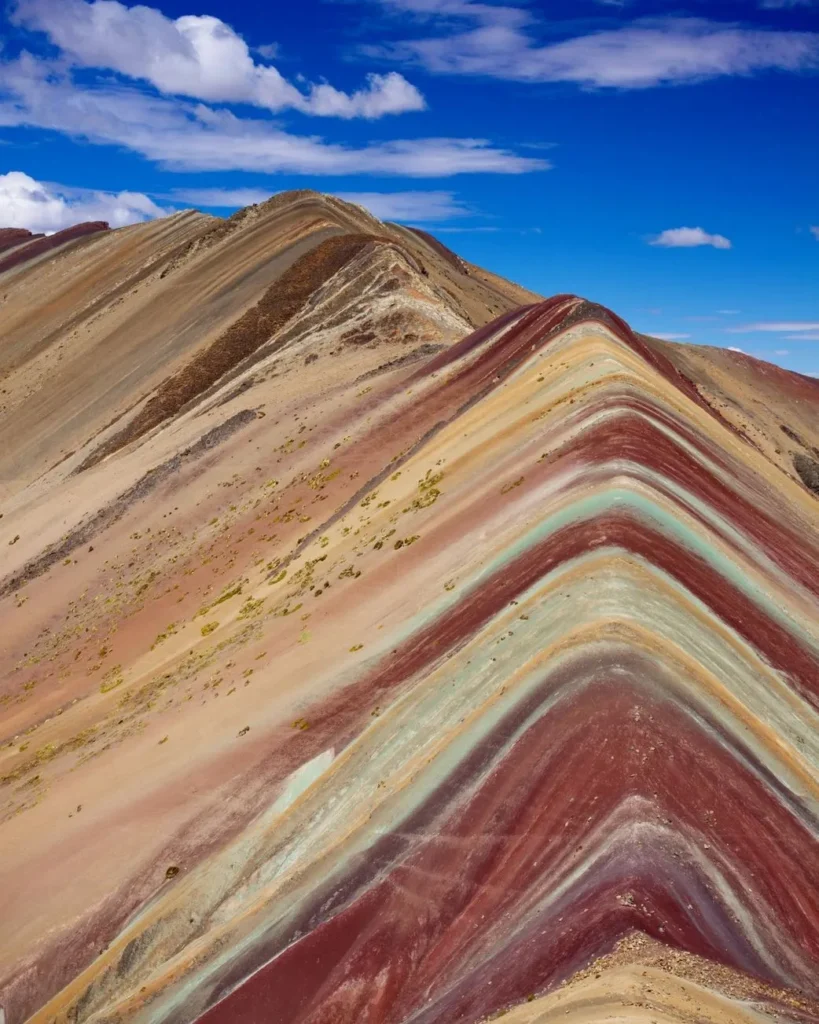
Is It Better to Visit Rainbow Mountain in the Morning or the Afternoon?